
Domestic market updates
October 2025
Key market indicators
Early-season lamb is flowing, beef is steady, export programs remain attractive, and tariff/currency crosswinds could reshape where product lands next.
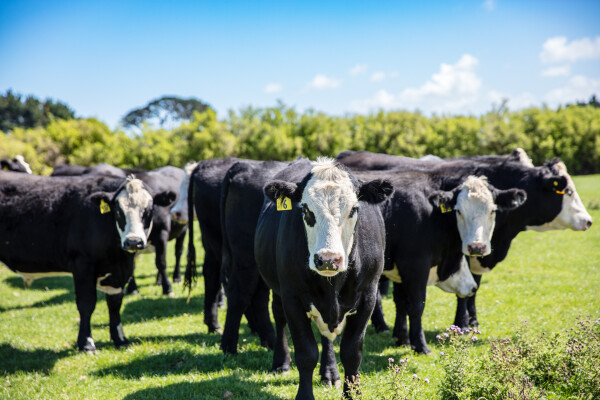
Beef
Supply |
Price |
Market impact |
|
|
|
Performance
Export |
Domestic |
|
|
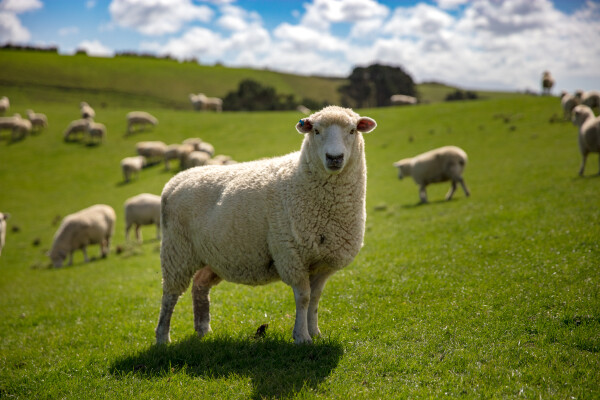
Lamb
Supply |
Price |
Market impact |
|
|
|
Performance
Export |
Domestic |
|
|
Global trends & domestic impacts
Export tariffs
- A 15% US tariff on NZ goods is flagged alongside possible China beef tariffs/safeguards, with combined sector exposure potentially large.
- A firmer NZD also trims export returns.
Export market
- US beef demand stays strong (historically low US herd), and UK/EU frozen lamb programs remain attractive as chilled lamb demand is cautious.
Domestic effect
- Pricing is stable-to-soft on early lamb and steady on beef; no new access shocks flagged this month.
- If export margins are squeezed by tariffs/currency, more export-grade items could be offered domestically, but specs may differ from usual domestic programs.

What this means for domestic B2B
- Secure chilled medium/heavy lamb specs early; keep size/spec flexibility for early-season supply (more lighter carcasses now).
- Keep beef supply steady: pricing is largely flat with minor movements across cuts; consider forward cover on premium primals; be opportunistic on co-products if export competition eases.
- Menu agility: Keep substitution options (e.g., lamb shoulder ↔ beef secondary primals) as UK/EU frozen lamb and US beef pull keep pressure on certain cuts.
- Watch policy and FX: If US/China tariff settings harden and NZD stays firm, be ready for domestic offers of export-grade items.
- Timing matters: Weather-driven pasture gains could rebalance lamb kill into November; align promos with expected weekly flows.
Key takeaways
- Beef supply remains stable: Stable procurement, selective cut moves only.
- Early-season lamb available now: Modest softness on lighter lamb; medium/heavy tighter.
- Export programs still competitive: US beef and UK/EU frozen lamb keep pressure on premium specs.
- Tariff and FX risk rising: Could redirect some volume domestically, but specs may change

September 2025
Key market indicators
The domestic beef and lamb market continues to be influenced by global trade pressures, tight livestock supply, and shifting export dynamics.
Beef
Supply |
Price |
Market impact |
|
|
|
Performance
Export |
Domestic |
|
|
Lamb
Supply |
Price |
Market impact |
|
|
|
Performance
Export |
Domestic |
|
|
Global trends & domestic impacts
Export tariffs
- New 15% U.S. tariff makes NZ beef less competitive, but strong demand persists.
- Domestic supply remains tight, keeping prices elevated.
Brazil's reduced access
- U.S 50%tariff on Brazilian beef may increase offshore interest in NZ product, further tightening local availability.
What this means for domestic B2B
- Plan ahead: Lock in Christmas and summer volumes early to secure supply.
- Expect firm pricing: Global demand keeps local prices elevated; margin management is key.
- Stay flexible: Use substitutes (brisket, forequarter, secondary lamb cuts) to keep menu and retail offerings robust.
- Watch Nui alerts: Be ready for short notice changes in availability
Key takeaways
- Global demand = local pressure: Domestic buyers must compete with international markets for supply.
- Tariffs shift trade flows: While NZ faces export disadvantages, strong overseas demand limits domestic supply relief.
- Best strategy: Lock in early, diversify cuts, and communicate with your rep for substitution planning.