

February is Healthy Heart Month
Posted on Wednesday, 4 February 2026
Heart disease remains the number one cause of death and a major cause of disability and other health problems in Aotearoa New Zealand.
There are many ways to reduce your potential risk of getting heart disease - by making healthy choices, the risks of heart disease are reduced in the long term.
My Heart Check
My Heart Check is a quick questionnaire from Heart Foundation NZ that helps you understand your heart health.
It doesn't replace advice from a medical professional.
Take the My Heart Check questionnaire here.
Did you know almost 1 in 3 New Zealand deaths are caused by cardiovascular disease?
A heart attack happens when blood stops flowing to part of your heart. This usually happens because a coronary artery is blocked by fat, plaque, or other build-up. Unless blood flow is restored quickly, this can result in permanent heart damage.
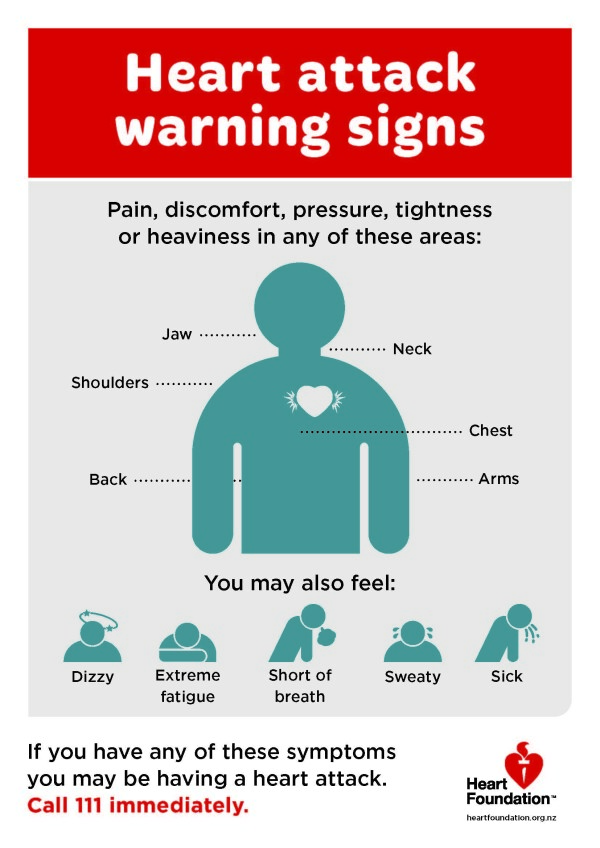
What to look out for
Heart disease is the leading cause of death for both men and women. Heart attacks don't discriminate – women are just as likely to have a heart attack as men are. But women are more likely to die from one.
Chest pain or discomfort is the most common sign of a heart attack, but women are more likely than men to experience a heart attack without chest pain or discomfort. Women may more commonly experience nausea, indigestion, dizziness, sweating, shortness of breath or extreme fatigue.
If the nerves supplying your heart are damaged, you may not feel the usual pain if your heart muscle becomes short of oxygen - instead, you might experience shortness of breath or unexpected nausea. This is more common in people living with diabetes.
These symptoms might occur in the weeks or days before, as well as during, a heart attack.
If you think you, or someone near you, might be having a heart attack don’t wait, call 111 immediately.
Chew an aspirin if advised by a the 111 phone operator.
If you have angina medication and are experiencing symptoms, take one puff of your GTN spray. Wait five minutes. If symptoms continue, take another puff and wait five minutes. If you still have symptoms, treat it as a heart attack and call 111.