
Mānawatia a Matariki
Posted on Thursday, 9 July 2026
Matariki signals the Māori New Year. It’s a time of renewal and celebration in Aotearoa that begins with the rising of the Matariki star cluster.
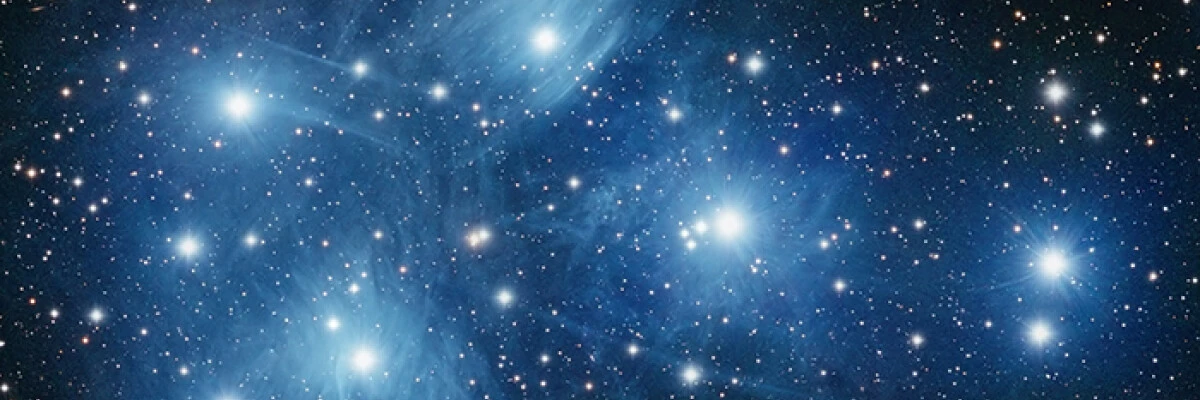
The rising of the Matariki star cluster, also known as Pleiades and the Seven Sisters, was traditionally marked with a ceremony called whāngai i te hau tapu, which involved examining the stars to determine the success of the coming harvest.
Clear, bright stars were a good sign, promising a warm, bountiful season, while hazy ones were a harbinger of cold weather and poor crops.
Whānau come together to remember their ancestors, share kai, sing, tell stories, and play music. It’s a time to remember lost loved ones, and a hāngi is prepared to feed the star cluster which had cared for them ahead of their ascent through Rangi tūhāhā (the heavens).
Matariki festivities highlight the tangata whenua (local people) view of the world. They remind us of the cycle of life and natural ways of marking the passing of time.
Many modern-day Matariki celebrations feature stargazing sessions which offer an insight into Māori star lore, astronomy and the way in which iwi lived in tune with the seasons.
Matariki, as a marker of transition, was a natural time for families to mourn and honour those who had passed away in the previous year. These loved ones were believed to have transformed into stars – te hunga kua whetūrangitia – shining down from the heavens.
- Enjoy a mid-winter feast with friends and whānau
- Light a candle
- Remember those who have passed away in the last year
- Write down your hopes, dreams, and aspirations for the year ahead
- Enjoy the outdoors
- Play games and tell stories
- Organise a neighbourhood event
Māori divide the year into seasons, months, and lunar phases which are determined by the position of the sun, the phase of the moon, and the rising and setting of stars.
The Matariki public holiday dates fall on the closest Friday to the Tangaroa lunar phase during the lunar month of Pipiri (Tangaroa is the last quarter of the lunar calendar). Because of this, the dates to celebrate Matariki will differ from year to year.
According to the Maramataka (Māori Lunar Calendar), the reappearance of Matariki brings the old lunar year to a close and marks the beginning of the new year. Hence, Matariki is associated with the Māori New Year.
The star cluster we know as Matariki in Aotearoa is also significant for many other cultures around the world including Hawaiians – Makali’i; Chinese – Mǎo, Greek – Pleiades, and Japanese – Subaru.
There are about 500 stars in the Matariki cluster, but only nine are visible to the naked eye, and nine with a telescope.
Each star holds a certain significance over our wellbeing and environment, as seen from the Māori view of the world.
-
Matariki is the star that signifies reflection, hope, our connection to the environment, and the gathering of people. Matariki is also connected to the health and wellbeing of people.
-
Pōhutukawa is connected to those who have passed away and reflecting on ancestors.
-
Waitī is associated with all fresh water bodies and the food sources that are sustained by those waters.
-
Waitā is associated with the ocean, and food sources within it.
-
Waipuna-ā-rangi is associated with the rain.
-
Tupuānuku is the star associated with everything that grows in the ground to be harvested or gathered for food.
-
Tupuārangi is associated with forests and the sky: fruits, berries, and birds.
-
Ururangi is the star associated with the winds.
-
Hiwa-i-te-rangi is the star of wishing, where you send your hopes and desires for the coming year.